There are seasons when life doesn’t feel broken — just crowded.
Crowded with commitments that once made sense.
Crowded with information, expectations, and unspoken pressure.
Crowded with good things that somehow leave very little room to breathe.
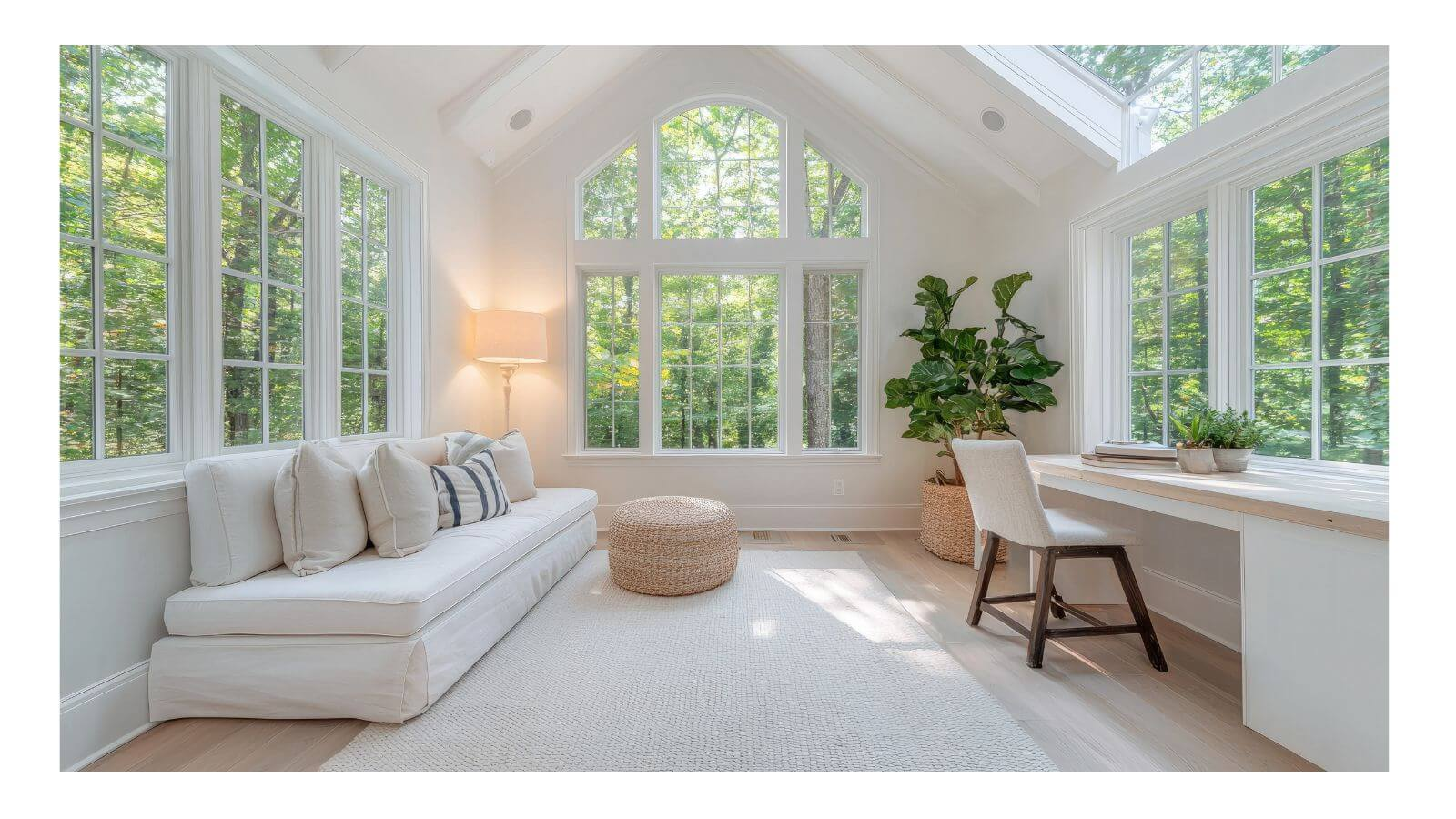
In these moments, the instinct is often to push harder or organize better. To optimize, refine, and manage what already feels full. But more often than not, what we’re longing for isn’t better control — it’s more space.
Clearing the slate isn’t about starting over or rejecting responsibility. It’s about creating room — internally and externally — for what actually matters now. Not what mattered five years ago. Not what matters to everyone else. But what is essential in this season?
Simplifying, in this sense, is less about subtraction for its own sake and more about alignment.
Clarify what matters now
Simplifying always begins with clarity.
What feels essential in this season of your life? What feels life-giving, necessary, or quietly important? And what feels inherited — carried forward out of habit, expectation, or obligation rather than conviction?
Clearing the slate requires honesty. Not dramatic reinvention, but gentle discernment. A willingness to admit that what once fit may no longer belong.
Clarity precedes subtraction. Without it, simplification becomes arbitrary. With it, letting go becomes purposeful.
Release the pressure to keep up
Much of what crowds our lives doesn’t come from true desire — it comes from comparison.
Unspoken timelines.
Cultural expectations.
Curated images of how life should look.
Clearing the slate often begins by opting out. Stepping off pace with rhythms that were never yours to maintain. Choosing not to keep up simply because others are moving quickly.
A simpler life doesn’t mean a smaller one. It means a life measured by meaning rather than momentum.
Simplify your commitments
Time is often the clearest indicator of what truly matters.
Look at how your days are structured. Which commitments energize you? Which quietly drains you? Which feel essential — and which feel heavy but untouchable?
Clearing the slate may involve saying no. Or stepping back. Or renegotiating roles that no longer fit the life you’re living now.
This kind of simplification isn’t selfish. It’s honest. And honesty is often the first act of care — for yourself and for others.
Reduce noise and inputs
We live in an age of constant input.
News cycles.
Social media.
Self-improvement content.
Endless opinions about how to live better, faster, or more efficiently.
Not all of it is harmful — but very little of it is neutral.
Reducing noise is one of the most overlooked forms of simplification. Fewer voices create more space to hear your own. Less input often leads to more peace.
Clearing the slate may mean curating what you allow into your mind with the same care you bring to your home.
Create physical space
Outer order quietly supports inner clarity.
This doesn’t require extreme minimalism or perfectly styled spaces. It’s about creating environments that support how you want to live now — not how you lived in a previous season.
Letting go of objects that no longer serve your life is an act of attention. It’s a way of saying: this space matters. And so does how I move within it.
Simplify decision-making
Many people are exhausted not because they’re doing too much — but because they’re deciding too much.
Small, constant choices drain energy we could otherwise use for presence, creativity, and connection. Simplifying decision-making — through routines, defaults, and fewer options — clears mental space.
The goal isn’t rigidity. It’s relief.
Release outdated identities
Some of what needs clearing isn’t visible.
Roles you’ve outgrown.
Versions of yourself you’ve kept alive out of loyalty or fear.
Expectations placed on you long ago that no longer reflect who you are.
Releasing these identities can feel unsettling. They often provided structure, belonging, or affirmation. But holding onto them crowds out growth.
Clearing the slate internally creates space to become who you are now — not who you were required to be.
Make room for rest
Rest is not a luxury. It’s foundational.
A life without margin eventually loses meaning. Clearing the slate includes protecting time that produces nothing measurable — unstructured mornings, quiet evenings, unproductive afternoons.
What you make space for reveals what you value. When rest has a place, everything else begins to reorder itself around it.

Tend to your inner life
Simplification isn’t sustainable if it only happens externally.
Reflection, prayer, journaling, stillness — these practices create inner spaciousness. They help you notice what’s stirring beneath the surface and what needs attention before it becomes overwhelming.
Without inner space, outer simplicity eventually fills back up.
Choose fewer things, more intentionally
Depth almost always matters more than breadth.
Fewer commitments.
Fewer projects.
Fewer possessions.
More presence within what remains.
Clearing the slate isn’t about deprivation. It’s about choosing what deserves your energy and letting go of what dilutes it.
Allow your life to be quieter
A quieter life isn’t an empty one.
It may include fewer plans, slower mornings, less urgency, and more unclaimed time. Quiet creates conditions where meaning can surface without force.
In a loud world, choosing quiet is a form of resistance — and a form of care.
Revisit and repeat
Clearing the slate is not a one-time decision. It’s a practice.
Seasons change. Priorities shift. What once felt essential may eventually need releasing again.
Returning to this practice — gently, without judgment — allows your life to remain responsive rather than rigid.
A closing thought
Clearing the slate isn’t about becoming less. It’s about becoming aligned.
When we simplify with intention, we make room — for rest, for depth, for meaning, for what truly matters most.
Not by doing more.
But by choosing more wisely what we carry forward.