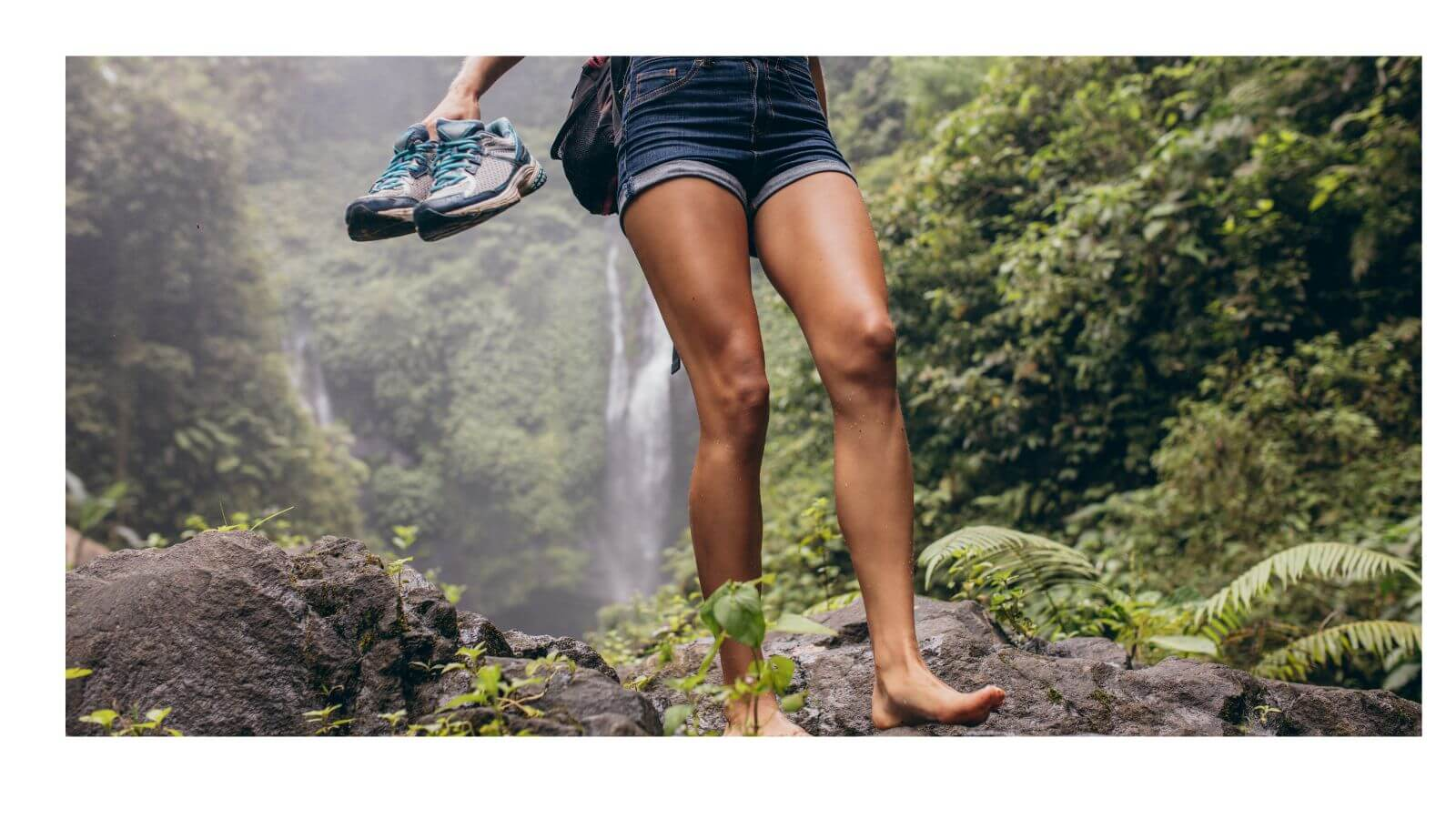
Travel is often framed as an escape — a break from routine, a pause from responsibility, a temporary distraction from real life. But for many of us, travel becomes something deeper than that. It becomes a way to heal, to reconnect, and to gently return to ourselves when life has shifted or unsettled us.
Healing travel is not about running away from pain or bypassing what hurts. It is about creating space — physical, emotional, and mental — where restoration becomes possible. When approached with intention, travel can refresh the mind, restore balance, and help us rediscover parts of ourselves that may have gone quiet.
When life takes a detour
There are seasons when life does not unfold as expected.
Dreams are delayed or rerouted. Relationships change. Loss arrives. Burnout settles in. Or sometimes, nothing dramatic happens at all — just a growing sense that the path you’re on no longer fits.
These moments often leave us feeling suspended between what was and what comes next. Travel, in these in-between spaces, can gently breathe new life into the heart. Not by offering answers on demand, but by creating distance from the familiar patterns that keep us stuck.
Movement changes perspective. A new environment invites us to see ourselves — and our circumstances — differently.
Why travel heals: the connection between wellness and movement
There is a deep and natural connection between wellness and travel.
Travel interrupts routine, which is often where emotional fatigue quietly accumulates. By stepping out of daily patterns, we give our nervous system a chance to reset. We begin to breathe differently. Think differently. Notice differently.
Travel heals because it:
-
offers a reset, creating space from the challenges you’re facing
-
reduces stress by removing constant pressure and expectation
-
restores mental clarity and focus
-
sparks creativity and inspiration
-
broadens understanding as you encounter lives, cultures, and rhythms different from your own
-
invites reflection through change of pace and place
Healing doesn’t always come from solving problems. Sometimes it comes from seeing them with fresh eyes.
When healing travel may be especially helpful
Healing travel is not reserved for dramatic turning points. It can be supportive in many quiet, personal seasons.
It may be especially beneficial when you are experiencing:
-
emotional fatigue or overwhelm
-
grief or loss
-
burnout or creative block
-
a feeling of being stuck or directionless
-
a need for renewed focus or clarity
-
a deep yearning for peace
Travel does not remove pain, but it can soften its edges and create space where healing can begin.
Traveling with intention
Healing travel begins long before departure.
Intentional planning sets the tone for the journey. Rather than asking Where do I want to go?, healing travel asks What do I hope to restore, release, or rediscover?
As you prepare, consider:
-
What am I hoping to let go of in this season?
-
What do I need more of — rest, clarity, creativity, peace?
-
How can I design this trip to support healing rather than distraction?
Intention shapes pace, expectations, and choices. It allows travel to become restorative rather than exhausting.
Journaling as a companion on the journey
A travel journal can be a powerful tool for healing.
Writing creates space to process what surfaces when routine falls away. It helps capture insights that might otherwise fade and allows reflection to unfold naturally.
You might explore prompts such as:
-
What am I hoping to release or heal during this journey?
-
What am I noticing now that I couldn’t see before?
-
What joys or moments of peace have surprised me?
-
What am I learning about myself in this new environment?
-
What am I grateful for right now?
There is no need to write beautifully or consistently. The value lies in honesty, not polish.
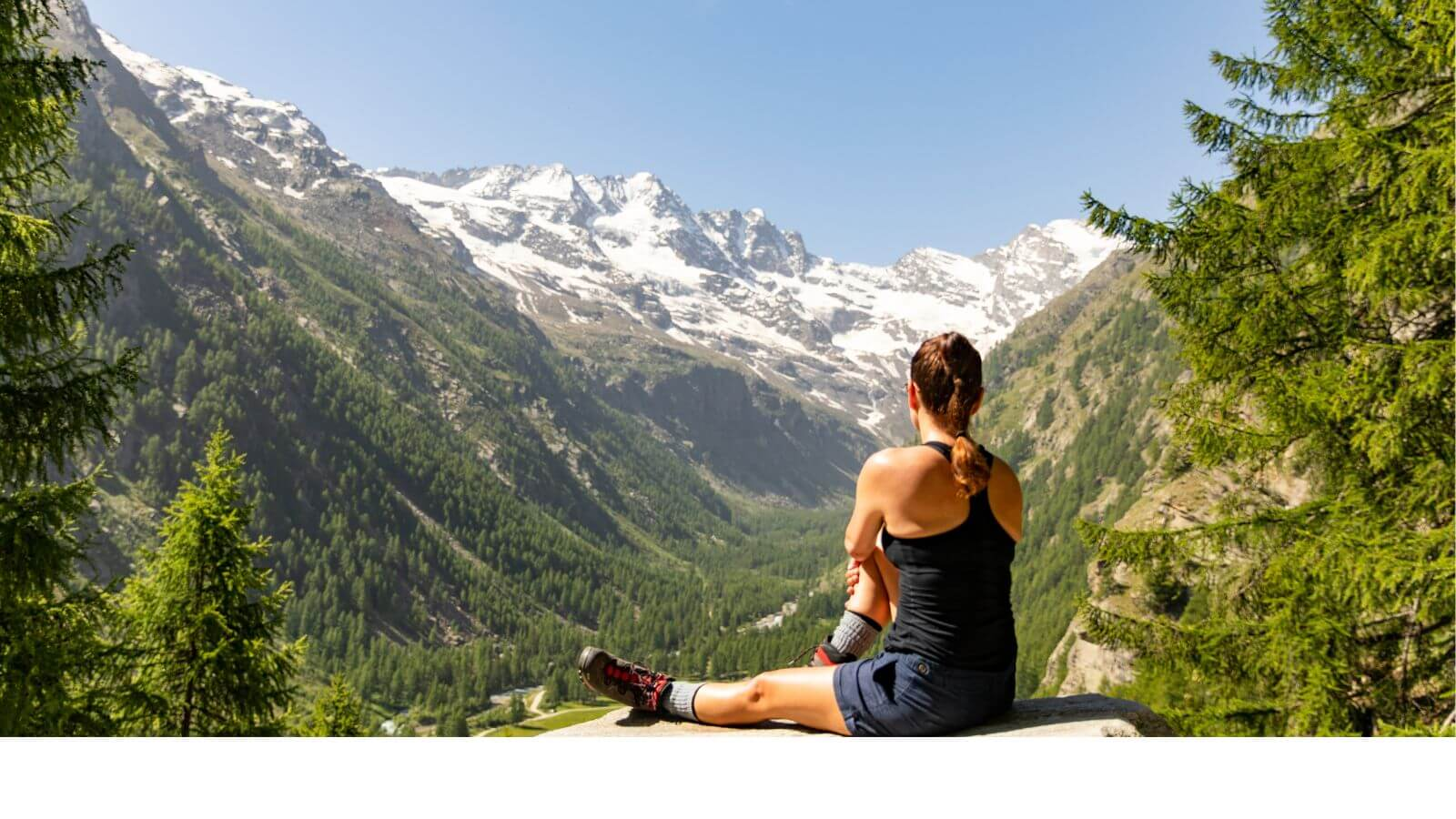
Healing self-care while you travel
Healing travel is not about doing more — it’s about listening more closely.
Supporting your body while traveling helps your mind and emotions follow.
Consider practices such as:
-
listening to your body’s cues for rest and movement
-
allowing yourself to rest without guilt
-
eating intuitively rather than rigidly
-
slowing your pace and leaving space between activities
-
walking each day to ground yourself
-
spending time in nature whenever possible
-
creating boundaries with technology and constant connectivity
These choices help travel remain nourishing rather than draining.
Slowing down as a form of medicine
One of the most healing aspects of travel is slowness.
Healing rarely happens at a rushed pace. When we slow down, emotions have room to surface and settle. Thoughts become clearer. The body begins to release what it has been holding.
Slowness allows insight to emerge naturally. It invites presence rather than productivity. In this way, slowing down becomes its own form of medicine.
Returning home: where healing continues
Healing travel does not end when the trip does.
The most meaningful journeys are those that continue shaping us long after we return. Integration — not escape — is what allows healing to take root.
Without reflection and intention, insights gained while traveling can quickly fade beneath routine. With care, they can become part of how we live.
Bringing the healing home
To integrate what you’ve gained:
-
schedule quiet time into your regular days
-
create gentle rituals such as journaling, prayer, meditation, or reflective walks
-
maintain boundaries with technology and draining influences
-
carry forward the perspective you gained, not just the memories
Healing becomes sustainable when it is woven into everyday life.
A closing reflection
Healing through travel is not about finding a perfect place or a flawless experience. It is about creating conditions where restoration can happen — where you can reconnect with yourself, your body, and what matters most.
Travel offers space to reset.
Movement offers perspective.
Intention offers meaning.
When approached gently and thoughtfully, travel becomes more than a destination. It becomes a pathway — back to balance, back to clarity, and back to yourself.